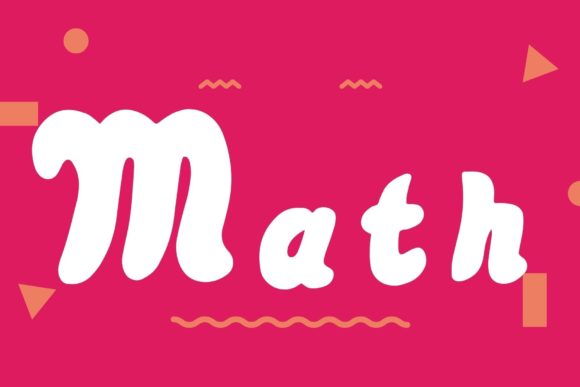
Math: A Playful Font for Web Design
Working on a boutique online store’s homepage, I needed a font that felt friendly and approachable. After testing several options, I settled on Math—a display font with a whimsical charm that brought the brand’s personality to life.
Math has a bubbly, hand-drawn style that feels like it was drawn with a marker on a whiteboard. Its rounded edges and slightly uneven lines give it a casual, almost playful vibe. It’s not the kind of font you’d use for body text, but as a headline or logo, it adds a unique touch that stands out.
One of the first places I used Math was in the hero section of the site. The main headline, "Shop with Joy," appeared in bold, colorful letters that drew attention without overwhelming the layout. It worked well against a simple background, making the message feel more personal and inviting.
Testing Math on mobile devices was crucial. On smaller screens, the font retained its clarity and didn’t become too cramped. I made sure to adjust the line height and spacing so that the text remained readable even when viewed on a phone. This helped maintain a clean, user-friendly experience across all devices.
For the product landing page, I used Math in the title of each section. Instead of plain headings, I opted for a more visual approach, using the font to highlight key categories like "New Arrivals" and "Best Sellers." This created a sense of rhythm and visual interest that kept users engaged as they scrolled through the page.
I also experimented with Math in call-to-action buttons. The font added a fun, energetic feel that contrasted nicely with the more neutral body text. It wasn’t too flashy, but it still caught the eye and encouraged clicks without being distracting.
When working on a coaching website, I used Math in the logo and header. The font gave the site a more personal and creative tone, which aligned with the brand’s mission of helping people grow. It felt right for a business that wanted to stand out from the competition.
Math is best suited for short phrases, headlines, and decorative elements rather than long paragraphs. Its character set includes alternates and weights, which allowed me to mix and match styles for different sections of the site. This flexibility made it easier to maintain consistency while still adding visual variety.
For a blog redesign, I used Math in the header and featured post titles. The font added a fresh, modern look that felt more dynamic than traditional serif or sans serif fonts. It worked especially well when paired with a clean, minimalist body font, creating a balanced and professional appearance.
When considering font pairing, I found that Math pairs well with simple sans serif fonts for body copy. This combination keeps the design clean while allowing the display font to shine in key areas. For a more editorial feel, I sometimes paired it with a serif font, which added a layer of sophistication without clashing.
Before using Math on any project, I always check the available styles and webfont formats. The font comes in multiple weights, which makes it easier to use in different contexts. It also supports a range of languages, which is important for international audiences.
As a freebie, Math is a great addition to any digital design toolkit. It’s perfect for personal projects, client work, or even small business websites. Its versatility and charm make it a valuable asset for anyone looking to add a touch of personality to their brand.
Whether you're designing a portfolio site, an online store, or a marketing campaign, Math offers a unique way to express your brand’s voice. Its playful yet professional aesthetic makes it a smart choice for designers who want to create something memorable and engaging.
Ultimately, Math isn’t just a font—it’s a tool for storytelling. It helps convey emotion, build trust, and create a stronger connection between the brand and its audience. When used thoughtfully, it can elevate a design from good to great.
For web designers and digital creators, Math is a reminder that typography isn’t just about aesthetics—it’s about how people interact with and respond to a brand. With the right application, it can transform a simple webpage into a visually compelling experience.