Graff: A Fun Font for Business Branding
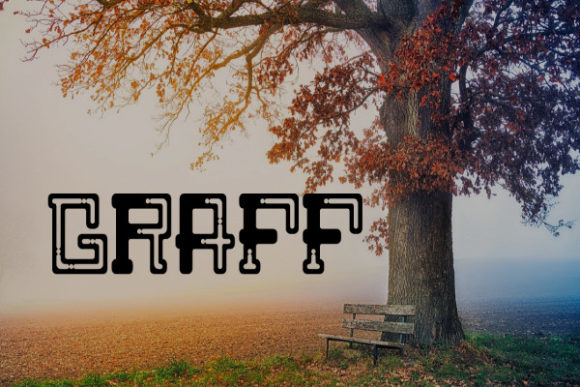
As a small business owner, finding the right font to represent your brand can be a game-changer. Graff is a playful and cool display font that adds a distinct personality to your work. Created by Rikyozone, this typeface brings a fun and modern vibe that can elevate your branding across multiple touchpoints.
What Makes Graff Stand Out
Graff has a unique visual appeal that sets it apart from other display fonts. Its design is both creative and versatile, making it ideal for businesses looking to stand out while maintaining a professional image. The font’s playful nature gives it a friendly and approachable feel, which can resonate well with customers who value creativity and innovation.
Whether you're designing a logo, creating social media graphics, or working on packaging, Graff adds a sense of energy and character. It's perfect for brands that want to communicate a youthful, dynamic identity without sacrificing clarity or professionalism.
Real-World Applications for Graff
Small businesses can use Graff in a variety of ways to enhance their visual presence. For example, a bakery might use it for its logo or menu headings to create a fun and inviting atmosphere. Handmade candle labels could benefit from Graff’s expressive style, adding a personal touch that reflects the artisanal nature of the product.
In the beauty industry, Graff can be used on product packaging to make it more eye-catching and memorable. A coaching business might use it for website banners or promotional materials to convey confidence and inspiration. Even a café could incorporate Graff into its menu design or signage to create a cohesive and appealing brand image.
For online shops, Graff can be used in digital ads, Instagram posts, and Pinterest graphics to catch attention and reinforce brand identity. Its bold and distinctive look makes it an excellent choice for headlines, stickers, and other marketing materials that need to stand out.
When to Use Graff
Graff works best as a headline, logo, or display font where it can shine. It's not designed for body text, but as an accent or supporting typeface, it can add visual interest to designs. Pairing it with a clean sans serif font like Arial or Helvetica can help balance its playful style with readability.
For instance, a boutique owner might use Graff for the main logo and pair it with a simple serif font for product descriptions. This combination ensures that the brand feels both creative and professional. Similarly, a startup founder could use Graff for a website banner and pair it with a modern sans serif for easy reading on mobile devices.
Readability and Practical Use
While Graff is a decorative display font, it still maintains a level of readability that makes it suitable for real-world business applications. On printed packaging, it can be used for short phrases or titles without losing clarity. On social media thumbnails, its bold strokes ensure it remains visible even at smaller sizes.
However, it's important to test Graff in different contexts before using it across all brand materials. Print samples, screen tests, and feedback from customers can help determine how well it works in various settings. This step ensures that the font enhances rather than hinders the overall brand experience.
Font Pairing Tips
Pairing Graff with other fonts can help create a balanced and cohesive look. A common approach is to pair it with a clean sans serif font for contrast. This pairing works well for logos, headers, and marketing materials where both creativity and readability are important.
Another option is to pair it with a classic serif font like Times New Roman or Georgia. This combination can give a more traditional yet stylish feel, which may suit businesses in industries like publishing, education, or luxury goods.
For a more modern and minimalist look, consider pairing Graff with a geometric sans serif like Futura or Montserrat. This pairing can give a sleek and contemporary edge to your branding, making it ideal for tech startups, fashion brands, or creative agencies.
Commercial Licensing and Usage
Before using Graff in any commercial project, it's essential to check the font's licensing terms. This includes understanding whether it can be used on products, packaging, templates, merchandise, client work, or digital downloads. Proper licensing ensures that your business stays compliant and avoids any legal issues down the line.
Many font designers offer different license options depending on the intended use. As a small business owner, you'll want to choose a license that fits your specific needs, whether you're using it for a single project or across multiple platforms.
Enhancing Brand Consistency
Using Graff consistently across your brand materials helps build recognition and trust. When customers see the same font on your website, social media, packaging, and marketing collateral, it reinforces your brand identity and creates a sense of reliability.
Consistency also helps your business stand out in a crowded market. By using a unique and memorable font like Graff, you can differentiate yourself from competitors and leave a lasting impression on your audience.
Ultimately, Graff is more than just a font—it's a tool that can help small businesses express their personality, build brand equity, and connect with their target audience. Whether you're launching a new product or rebranding an existing one, Graff offers a fresh and creative way to elevate your visual identity.